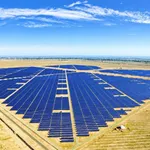
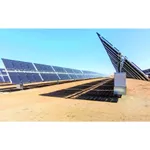
Oman is taking a fresh step towards diversifying the electricity supply of strategically located Musandam Governorate, with Nama Power & Water Procurement Company (PWP), the Sultanate of Oman’s sole buyer of power and water output, seeking a specialist consultant to assess the techno-economic feasibility of renewable energy development in the region.
Under a Request for Proposals issued on August 24, PWP is inviting consultants to evaluate the potential for solar photovoltaic, wind, hybrid renewable-energy configurations, battery energy storage systems (BESS) and other renewable-energy and storage technologies where technically and economically justified. Bids are due by September 24, 2026.
The study could mark an important shift in Musandam from preliminary resource assessment towards determining the scale and configuration of clean-energy capacity that could ultimately be developed in the governorate.
Musandam has historically operated as an isolated power system, with electricity supplied primarily by the gas-fired Musandam Power Plant near Khasab and supplemented by diesel generation in smaller and remote communities.
Demand is rising, however, as tourism, fisheries and other economic activities expand. Peak demand is forecast to increase from 91 megawatts (MW) in 2024 to 130 MW by 2031, representing average annual growth of around 5 per cent, while average demand is projected to rise from 52 MW to 73 MW over the same period.
The renewable-energy study comes against the backdrop of major plans to strengthen Musandam’s electricity infrastructure.
Oman Electricity Transmission Company (OETC) is evaluating a 141-kilometre submarine cable linking Musandam’s Dibba grid station with Shinas and thereby connecting the governorate to Oman’s Main Interconnected System. The proposed 220kV link, together with new grid stations and voltage-support infrastructure, is targeted for operation around 2030, subject to regulatory guidance.
OETC is also pursuing a separate interconnection between Musandam and the UAE transmission network, involving a new 132kV link between the Fila grid station in the UAE and Dibba in Oman. The project comprises around 25 km of overhead transmission line and 6 km of underground cable.
The planned grid connections could significantly improve system resilience while creating greater scope for renewable-energy integration.
PWP’s latest initiative builds on earlier efforts. Omani integrated energy group OQ had previously undertaken wind-resource assessment and a pre-feasibility study for renewable energy in Musandam, while PWP subsequently explored potential sites for solar and wind independent power projects.
The inclusion of BESS in the new study is particularly significant for Musandam’s historically isolated grid, where energy storage could help balance variable solar and wind generation and strengthen system reliability.
Source:
Oman Observer